

Let's cover a few key points before we start, I've never done a photo essay, but I'm a psych graduate, so I know how to research. I am not an expert on this or any other topic, only an expert on my own experiences. And lastly, this topic means a lot to me, but if its not your thing, that's okay, come back another time and I'll have other topics for you to read.

(My first selfie, I was terrible at posing but I had a cool bedroom 😂)
In my late teens I referred to myself as alternative, I didn't necessarily fit a specific subculture, but I'd found a group that accepted me for me, and a style that fit who I felt I was.
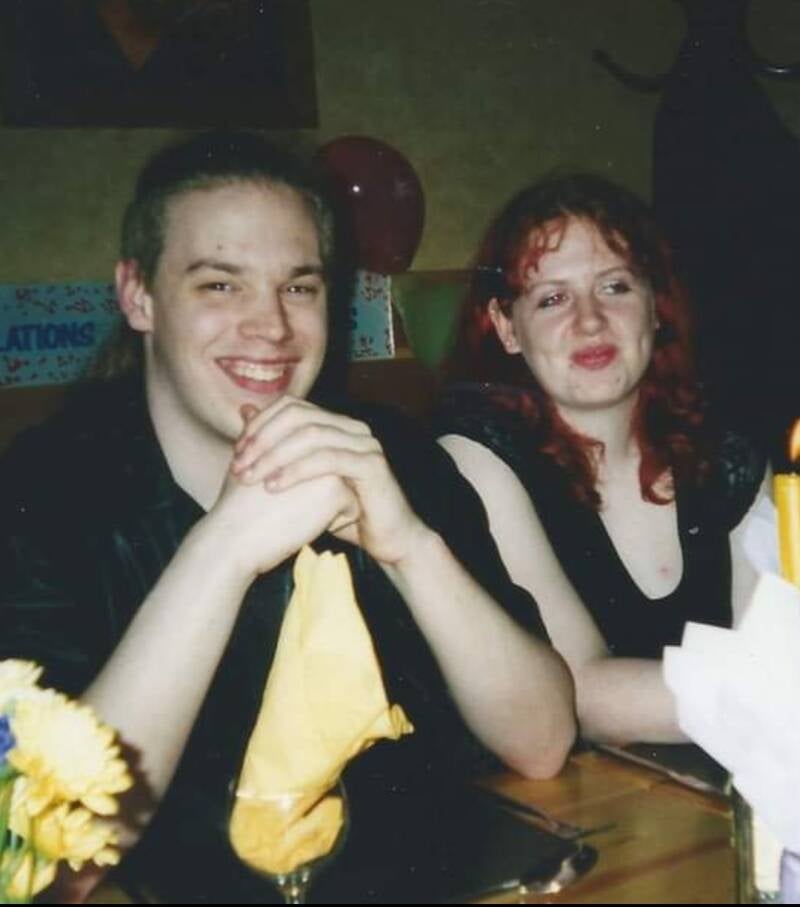
(My husband and I, before marriage and kids, approximately 2002).
This was in the late 90s, early 2000s, the term alternative, often shortened to “alt” generally referred to people who were more easily identifiable as punks, goths, emos, metallers etc, it's reasonable to assume this stemmed from its earlier use to refer to alternative rock or alternative fashion, just a term that identified something that was different from the mainstream. When this term started being used is difficult to say, according to Alan di Perna (1995) it stems from the emergence of independent music in the 1970s, coming into use in the 1980s. From there it evolved to become a label, a form of identity, around the time I discovered the style and culture that went with the music I'd grown up with. It wasn't easy being alternative, but it was harder to pretend to be someone I wasn't; I was called names, the shops we used were targeted by vandels, and sometimes people I knew where targeted with physical attacks. The media often responded negatively to individuals and groups who fit into these subcultures, in much the same way as they did to Mods and Rockers, Punks and Metallers, New Romantics and early Goths, throughout the 50s, 60s, 70s, and 80s. This reaction, sometimes termed moral panic, was predominantly aimed at youth subcultures throughout the 20th Century as teenagers developed identities outside of that which was expected of them. This still occurs now, with those who dress in a more easily identifiable styles still finding themselves the target of misunderstandings, ridicule and even abuse and violence. Some of you may remember Sophie Lancaster, I certainly won't forget her, or the comments of Katie Piper on Loose Women suggesting goth parents gave off “satanic vibes”, that their style was toxic. I assure you, being alt doesn't make you a bad parent, being mainstream doesn't make you a good one either (it's never that simple).
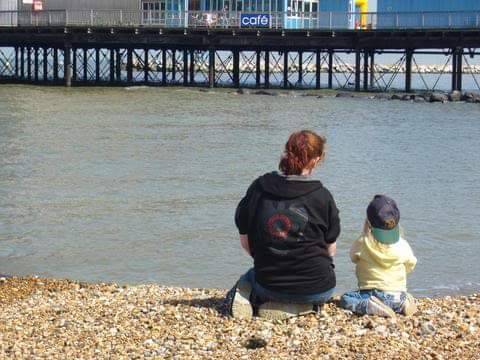
(Photo by my husband, Stuart Quinton)
Over time some grew out of the style and identity, either through choice or pressure from others (try being the only alt mum on the playground, it's not easy for you or your kids), while others remained attached on some level. I believe this has led to an evolution of the term, returning in some ways to it’s original roots, in that it covers a much wider group that just those that look a certain way or listen to a specific type of music. Many people consider themselves alternative and the definition very much covers those who choose not to fit in with what is considered mainstream, in music and fashion tastes and even lifestyle choices.
My plan, my project, is to show how the idea of alternative has diversified, evolved, or returned to it's origins, depending on how you look at it. Showing the types of people who consider themselves alternative to the mainstream, who they are, what they do. Perhaps, with a little visibility to counter the ignorance of the media we can shift some of the negative assumptions and it will get a bit easier and a lot safer to be different and stand out. Below are a few shots from the beginning of my project, I look forward to bringing you more.
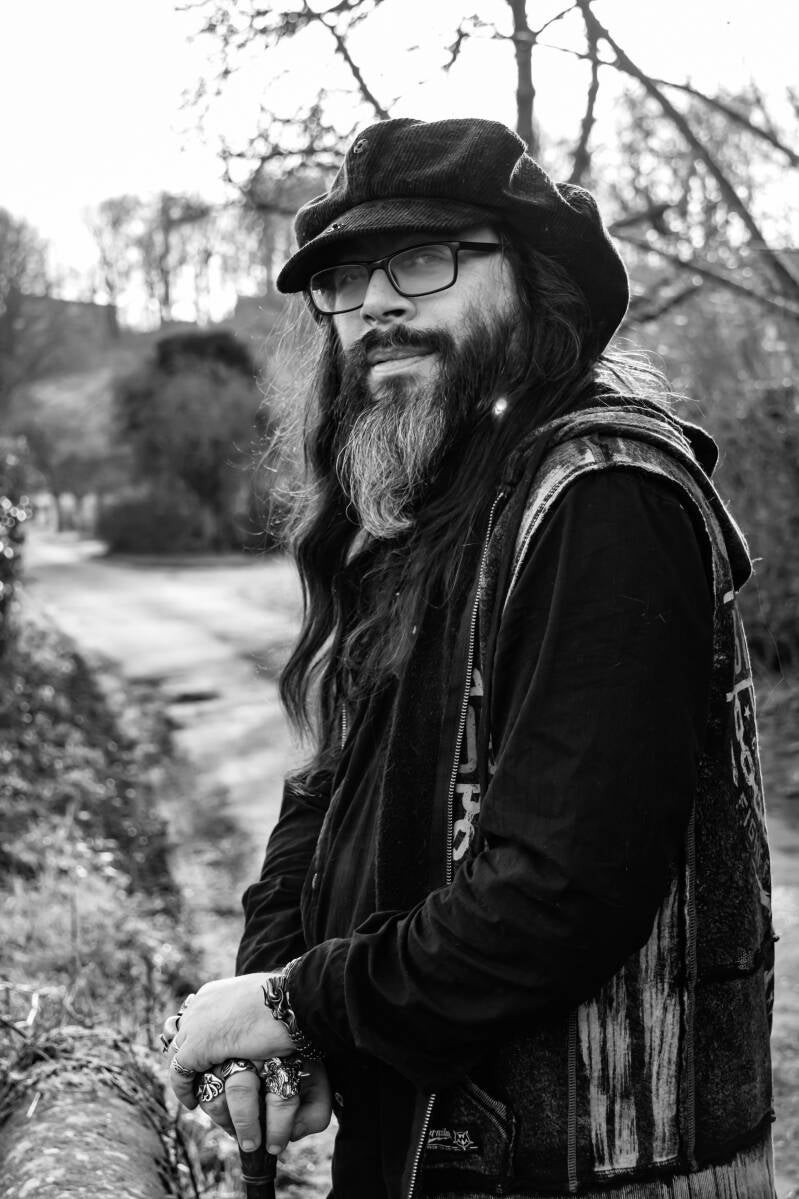
(James ‘ Grim’ Desborough - Author and game Designer)
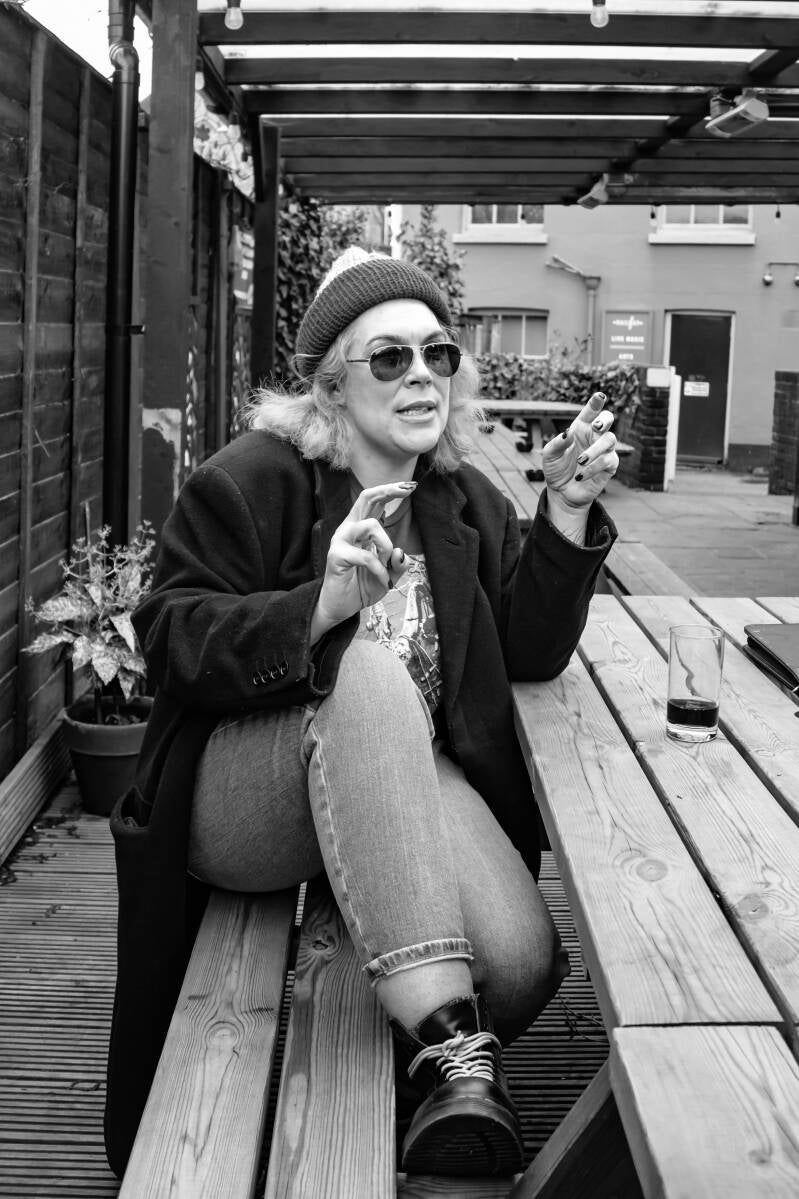
(Lisa Yeates - at the Railway Inn, Winchester, known for its association to the alternative scene and live music venue).
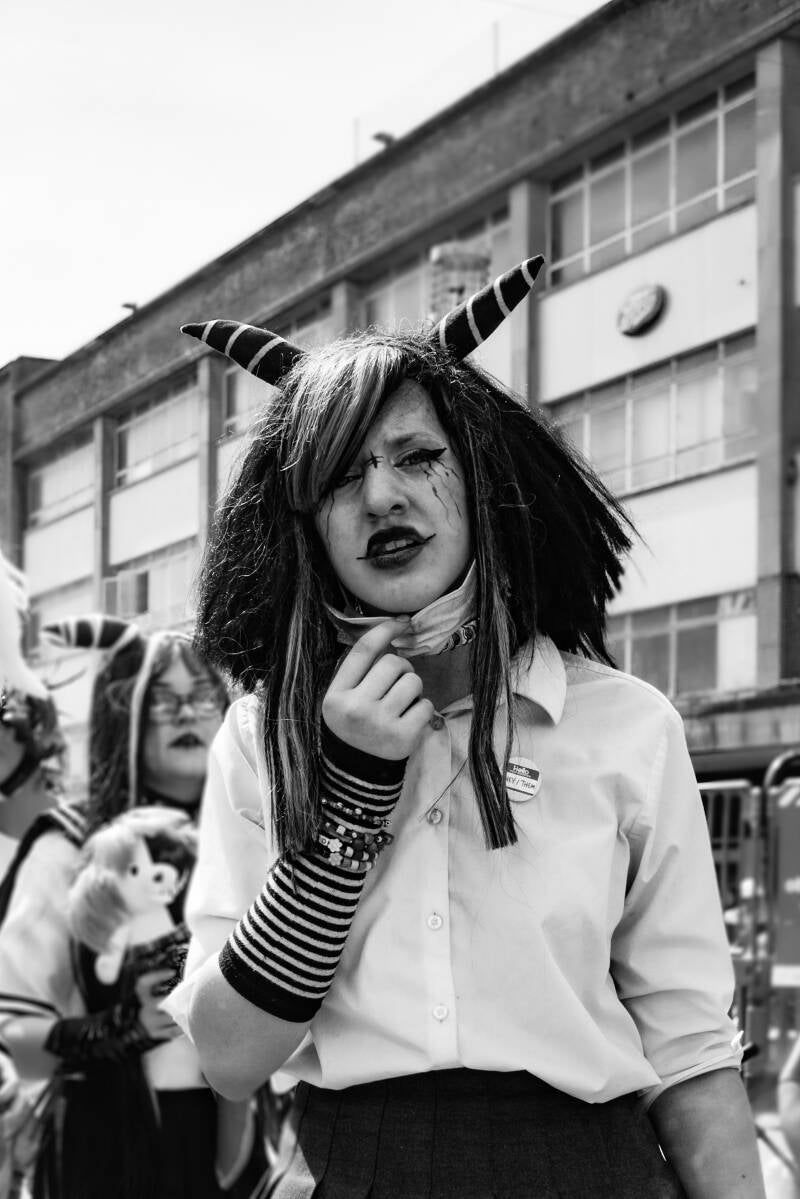
(Cosplayers in Coventry)
Alan di Perna. “Brave Noise—The History of Alternative Rock Guitar.” Guitar World. December 1995
https://www.dailyrecord.co.uk/news/scottish-news/glasgow-goths-under-acid-attack-22887494.amp
Add comment
Comments